
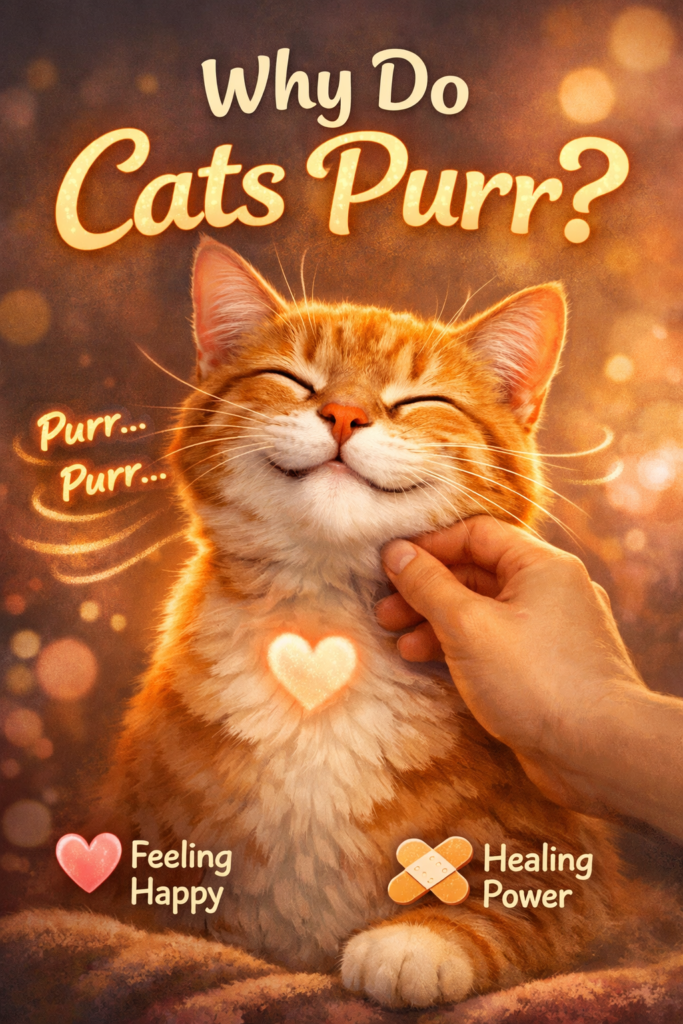
The Science, Meanings, and Surprising Reasons Behind This Calming Sound
If you’ve ever curled up next to a cat and felt that gentle rumble vibrating through their chest, you’ve experienced one of the most comforting sounds in the animal world: purring. But why do cats purr? Does it always mean they’re happy—or is there more going on beneath the surface?
The truth is, cat purring is far more complex than most people realize. Cats purr for emotional, physical, and even medical reasons, and understanding these can help you better care for your feline companion.
In this guide, we’ll break down:
- How cats purr
- The most common reasons cats purr
- When purring means happiness — and when it doesn’t
- The science behind purring and healing
- When you should be concerned about excessive or unusual purring
How Do Cats Purr?
Cats produce purring through a combination of laryngeal muscles and neural oscillation.
Here’s how it works:
- Signals from the brain cause the muscles in the larynx (voice box) to twitch rapidly
- These muscles open and close the airway as the cat breathes
- Air passing through creates the familiar low-frequency vibration we recognize as purring
What’s unique is that cats can purr while inhaling and exhaling, creating a continuous sound.
📌 Fun fact: Most cats purr at a frequency between 25 and 150 Hz, which turns out to be incredibly important.
The Most Common Reasons Cats Purr
1. Contentment and Happiness 😺
This is the most familiar reason.
Cats often purr when:
- Being petted
- Sitting on your lap
- Nestled in a warm, safe space
- Spending time with their favorite human
In these cases, purring is a clear sign of comfort, trust, and relaxation.
Typical signs of a happy purr include:
- Relaxed body posture
- Half-closed or slow-blinking eyes
- Gentle kneading
- Soft tail movements
2. Communication With Humans
Adult cats rarely meow at other cats—but they purr and vocalize with people.
Cats may purr to:
- Get attention
- Ask for food
- Encourage petting
- Strengthen social bonds
Some cats even develop a “solicitation purr”, a slightly higher-pitched purr mixed with a cry that humans instinctively respond to—similar to a baby’s cry.
3. Self-Soothing and Stress Relief
Cats also purr when they’re:
- Nervous
- Frightened
- Overstimulated
- In unfamiliar environments
You may notice a cat purring:
- At the vet
- During car rides
- After a stressful event
- When meeting new people or animals
In these cases, purring acts like a coping mechanism, helping the cat calm itself.
4. Healing and Pain Management
One of the most fascinating discoveries about purring is its link to physical healing.
The vibration range of cat purring (25–150 Hz) has been shown to:
- Promote bone density
- Support tissue regeneration
- Reduce inflammation
- Aid muscle repair
This may explain why cats purr when:
- Injured
- Recovering from surgery
- Giving birth
- Near the end of life
Purring may help cats heal faster and conserve energy, which is especially important in the wild.
5. Mother–Kitten Bonding
Kittens begin purring at just a few days old.
Mother cats purr to:
- Guide kittens to nurse
- Provide comfort and reassurance
- Strengthen bonding
Kittens purr back to signal:
- They’re okay
- They’re feeding successfully
- They feel safe
This early communication often continues throughout a cat’s life.
Does Purring Always Mean a Cat Is Happy?
No — and this is where many cat owners get confused.
While purring can indicate happiness, it can also signal:
- Pain
- Anxiety
- Illness
- Emotional distress
Signs a purring cat may NOT be happy:
- Tense or hunched body
- Flattened ears
- Dilated pupils
- Rapid or shallow breathing
- Hiding or withdrawal
- Sudden changes in behavior
If your cat is purring and showing signs of discomfort, it’s worth paying closer attention.
Why Do Some Cats Purr More Than Others?
Just like people, cats have unique personalities.
Factors that influence purring frequency include:
- Breed (some breeds are more vocal)
- Individual temperament
- Early socialization
- Health status
- Relationship with humans
Some cats are constant purr machines, while others may only purr in very specific situations.
Can Humans Benefit From a Cat’s Purr?
Surprisingly, yes.
Research suggests that cat purring may:
- Lower blood pressure
- Reduce stress and anxiety
- Promote relaxation
- Improve mood
- Potentially support bone health
This may explain why living with cats has been associated with lower heart-disease risk in some studies.
When Should You Worry About Purring?
While purring is usually harmless, consult a vet if:
- Purring becomes sudden and constant
- It’s paired with lethargy, loss of appetite, or hiding
- Your cat purrs while clearly in pain
- The purr sounds strained or irregular
Always consider body language and context, not the sound alone.
Final Thoughts: What Purring Really Means
Purring is one of the most remarkable feline behaviors. It’s not just a sign of happiness—it’s a multi-purpose tool cats use for communication, healing, emotional regulation, and bonding.
Understanding why your cat purrs helps you:
- Read their emotional state more accurately
- Catch potential health issues earlier
- Strengthen your bond with your cat
So the next time your cat curls up and starts that gentle rumble, you’ll know it could mean far more than just “I’m happy.”