
If your leopard gecko suddenly stops eating, it’s scary.
Most owners immediately worry something is seriously wrong — and the worst part is not knowing why it’s happening.
The truth is, appetite issues in leopard geckos are usually caused by small environmental problems that slowly add up: temperature, lighting, stress, or missing nutrients.
This guide will walk you through:
- the real reasons geckos stop eating
- how to diagnose each issue
- and the exact fixes that actually work
No guesswork. No myths. Just clear, practical solutions you can apply immediately.
This post contains affiliate links. If you make a purchase through one of these links, I may earn a small commission at no extra cost to you. I only recommend products I genuinely believe are helpful for leopard gecko care.
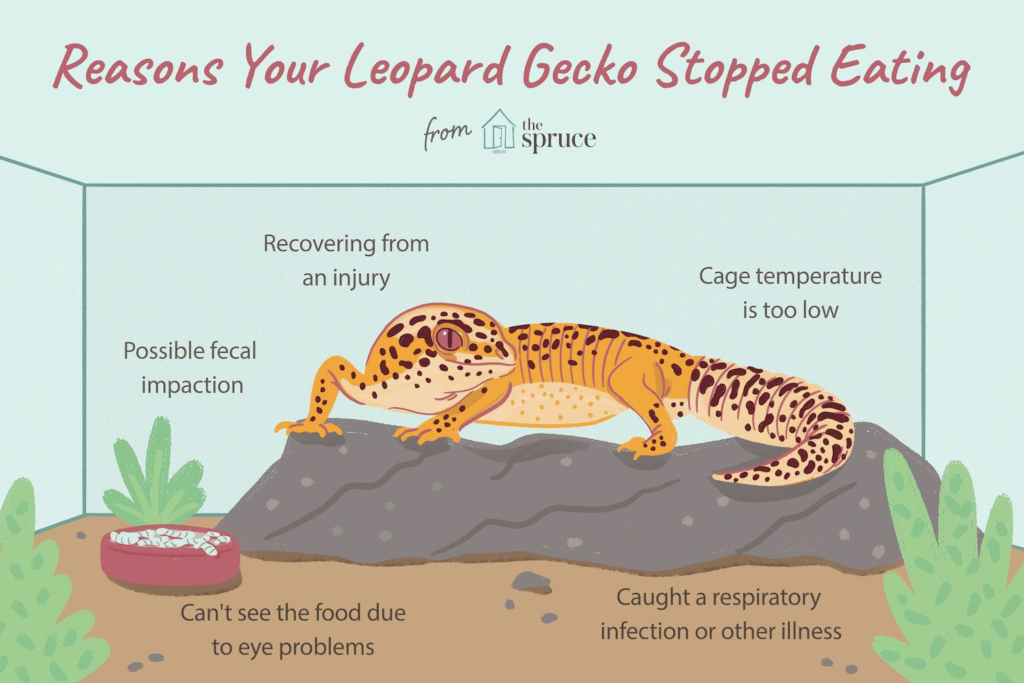
Quick Reference: Appetite Recovery Essentials
Quick Reference: Appetite Recovery Essentials
| Product | Why You Need It | Check on Amazon |
|---|---|---|
| Digital Thermometer & Hygrometer | Lets you see exact temperature and humidity so you stop guessing and fix issues causing appetite loss | 👉 Check Price |
| Heating Pad + Thermostat | Provides safe belly heat so your gecko can digest food and regain appetite | 👉 Check Price |
| Infrared Thermometer Gun | Measures surface temperatures where your gecko actually digests food | 👉 Check Price |
| UVB Reptile Light | Supports calcium absorption, hormone regulation, and appetite signaling | 👉 Check Price |
| Calcium Powder (No D3) | Strengthens jaw and muscles so your gecko can hunt and eat properly | 👉 Check Price |
| Multivitamin Supplement | Restores energy, digestion, and appetite regulation | 👉 Check Price |
| Reptile Hide Cave | Reduces stress and creates psychological safety for feeding | 👉 Check Price |
Problem
Your leopard gecko hasn’t eaten in days.
You’ve tried:
- switching insects
- leaving food overnight
- checking again and again
And nothing changes.
At some point every reptile owner hits this moment:
“Is my gecko dying… or am I slowly killing it without realizing?”
The scary truth is:
most appetite problems aren’t about food at all.
They’re about the environment failing your gecko’s biology.
Solution
First — you’re not alone.
This is one of the most common problems in reptile keeping.
Leopard geckos don’t cry, limp, or complain.
They just… stop participating in life.
Which makes owners feel helpless.
Pet stores will tell you:
“They just do that sometimes.”
But in reality, when a gecko stops eating for more than a few days, something in their survival system is off.
And the good news is:
Almost all of it is fixable.
Diagnosis & Treatment Plan
Leopard geckos stop eating when one or more of these systems fail:
- Temperature regulation
- Lighting & hormone signaling
- Psychological safety
- Mineral & vitamin balance
- Environmental awareness
Let’s walk through each one exactly.
1. Tank Temperature Is Wrong (The #1 Cause)

What’s happening biologically
Leopard geckos are ectothermic.
They cannot generate body heat.
They must absorb it from surfaces.
If the warm side is too cool:
- stomach enzymes shut down
- digestion stops
- food becomes uncomfortable
- appetite disappears
This is why so many owners say:
“He won’t eat even though he looks fine.”
Internally, digestion is frozen.
Treatment Products (This System Restores Digestion)
🔹 Heating Pad + Thermostat
Creates safe, consistent belly heat.
Without this:
- food literally cannot process
- eating feels bad
- the gecko avoids it
The thermostat prevents overheating and burns.
👉 Search on Amazon:
VIVOSUN Reptile Heating Pad with Thermostat
🔹 Infrared Thermometer Gun
Measures surface temperature, not air.
This is critical because:
- slate might be 75°F
- while air reads 90°F
Geckos digest on surfaces.
Most owners measure the wrong thing.
👉 Search on Amazon:
ThermoPro Infrared Thermometer Gun
2. Lighting & UVB Is Incorrect

What’s happening hormonally
UVB light allows reptiles to:
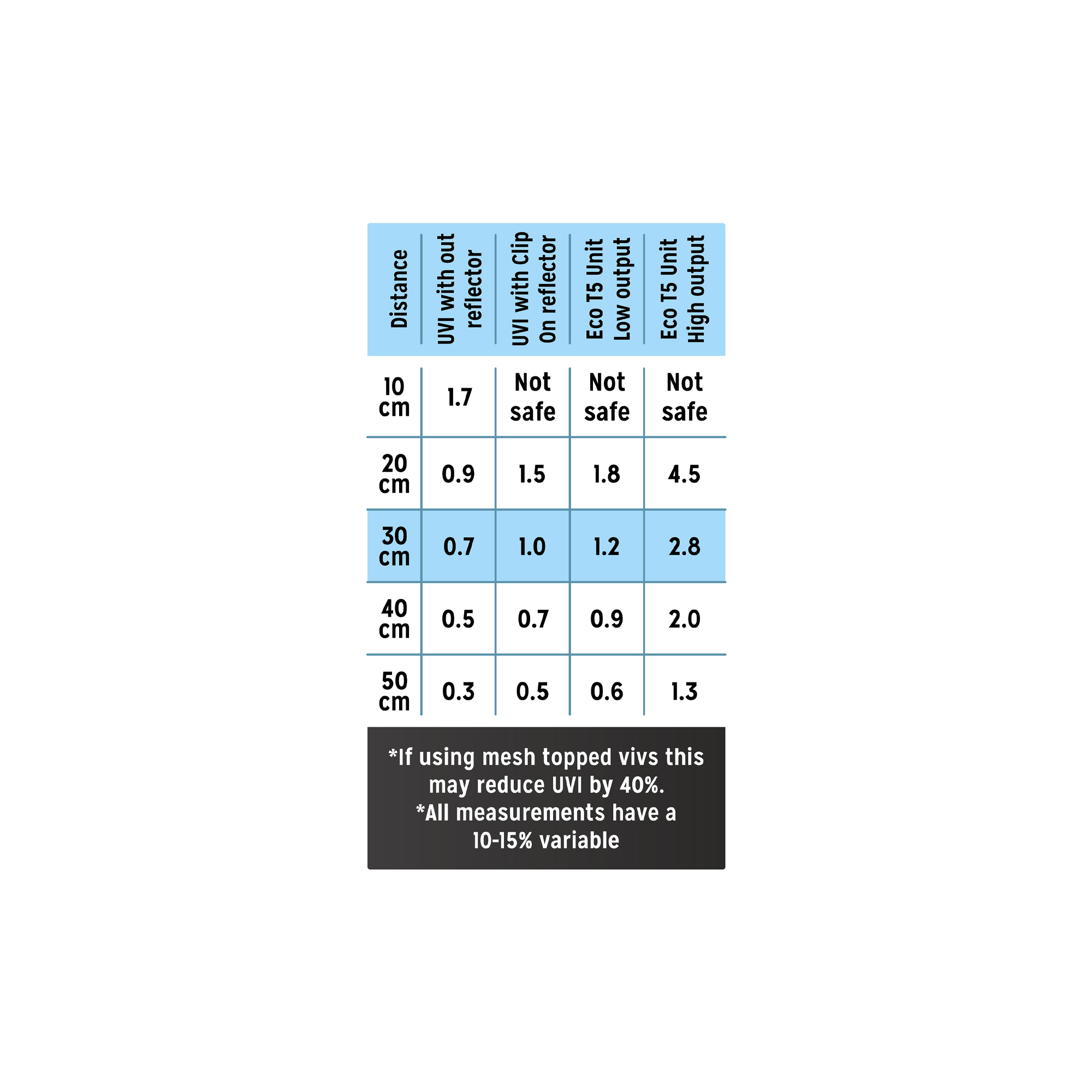
- process calcium
- regulate appetite hormones
- maintain vision and nerve function
Without proper UVB:
- muscles weaken
- jaw strength drops
- eye discomfort increases
- brain activity slows
Hunting becomes hard.
Eating feels pointless.
Treatment Product
🔹 UVB Light Fixture
This restores hormonal regulation.
It supports:
- digestion
- appetite signaling
- circadian rhythm
- nerve function
Without UVB:
Even perfect food means nothing.
👉 Search on Amazon:
REPTI ZOO UVB Reptile Light
3. No Secure Hides (Stress Shutdown)
What’s happening psychologically
A gecko without hides feels exposed.
In nature:
visible reptile = prey
So their brain enters:
- survival mode
- high stress
- suppressed appetite
Stress alone can shut down feeding completely.
Treatment Product
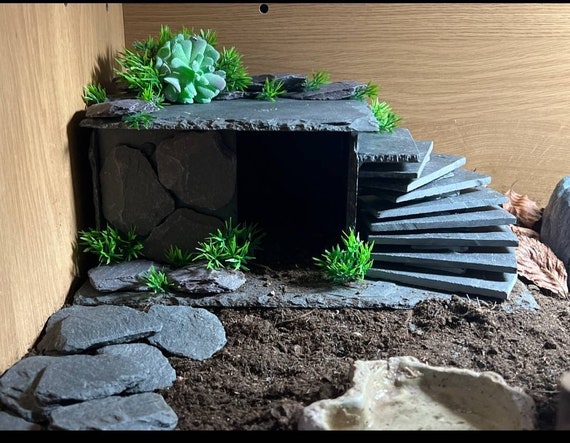
🔹 Proper Hide Cave
Creates psychological safety.
A safe gecko:
- explores
- hunts
- eats
- relaxes
No hide = chronic stress.
Chronic stress = no appetite.
👉 Search on Amazon:
Resin Reptile Hide Cave
4. Vitamin & Mineral Deficiency

What’s happening internally
Without proper minerals:
- nerves misfire
- muscles weaken
- appetite hormones fail
This leads to:
- weak strikes
- dropped food
- chewing fatigue
Eventually:
Eating becomes exhausting.
Treatment Products
🔹 Calcium Powder (No D3)
Supports:
- muscle contraction
- jaw strength
- nerve signaling
No calcium = no hunting ability.
👉 Search on Amazon:
Rep-Cal Calcium Powder
🔹 Multivitamin
Supplies:
- vitamin A
- B-complex
- trace minerals
These control:
- energy
- digestion
- appetite regulation
👉 Search on Amazon:
Rep-Cal Herptivite Multivitamin
5. You Can’t See What’s Wrong
What’s happening
Most owners guess:
- temperature
- humidity
- lighting quality
But reptiles require precision.
Small deviations cause:
- dehydration
- shedding problems
- eye irritation
- appetite loss
Treatment Product
🔹 Digital Thermometer & Hygrometer
This is the control panel of the entire habitat.
It gives:
- objective truth
- not feelings
- not assumptions
Without it:
You’re managing a system you can’t see.
👉 Search on Amazon:
Reptile Thermometer & Humidity Gauge
The Appetite Recovery Checklist
Daily
☐ Warm side: 88–92°F
☐ Cool side: 72–78°F
☐ Fresh water
☐ Calcium-dusted insects
Weekly
☐ Multivitamin 2–3x
☐ Clean feeding dishes
☐ Check UVB output
Tank Setup
☐ Heating pad + thermostat
☐ UVB light
☐ At least 2 hides
☐ Measured humidity
When You Should Actually Worry
See a reptile vet if:
- weight drops
- eyes sink
- no food for 3+ weeks
- extreme lethargy
But in most cases, fixing these five systems restores appetite within 3–7 days.
The Truth Most Pet Stores Never Say
Leopard geckos rarely “just stop eating.”
They stop eating when:
their biology stops functioning correctly.
You’re not fixing behavior.
You’re restoring a living system.